Advancing the Science
Donor cord blood stem cells are used to treat blood cancers, blood disorders, metabolic disorders, and immune conditions. The stem cells derived from umbilical cord blood and cord tissue have shown promising results in ongoing trials as investigational therapy to treat a wide range of other conditions, including the treatment of chronic and/or life-threatening diseases such as autism, cerebral palsy, multiple sclerosis, traumatic brain injury, stroke, and many others.
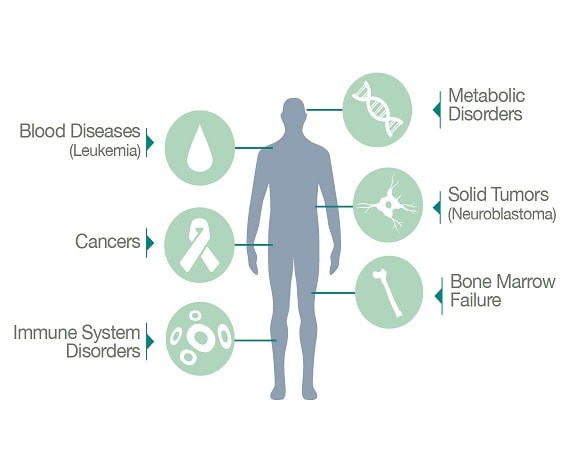 For most conditions treated with cord blood— nearly 80, including blood cancers and disorders, metabolic conditions, and autoimmune diseases— utilizing cells from a donor, whether related or unrelated, is required.12 A child’s own cord blood may not be used to treat these conditions since many are genetic. Physicians often require cells from a donor; ideally, a brother or sister who is a close match and not a carrier of the disease. Statistics indicate that transplants between siblings generally have fewer complications compared to those involving unrelated donors. 71
Beyond today's approved therapies, research is expanding the future potential of newborn stem cells. Close to 300 clinical trials are underway, investigating umbilical cord blood and umbilical cord tissue for their regenerative properties in treating conditions such as stroke, heart disease, and type 1 diabetes.65 Cord tissue stem cells, in particular, are the focus of extensive study for their unique ability to support tissue repair and reduce inflammation.68 These trials are exploring the potential to treat multiple sclerosis, sports-related injuries, as well as complex neurodegenerative diseases, including ALS (also known as Lou Gehrig’s disease) and Alzheimer’s.
Cord blood and cord tissue stem cells are currently undergoing clinical trials for a variety of diseases, including ones once thought untreatable:
Read more about the benefits of cord blood and cord tissue.
Stem cells’ role is critical for regenerative medicine. A stem cell is a special type of cell because it is the basis for all the other cells in our bodies. Stem cells have the ability to develop into one of many different types of cells. This process of a stem cell becoming a specific type of cell, like a skin cell, blood cell, or bone cell, is known as differentiation. The other unique ability of stem cells is to replicate quickly. Combined, these abilities can quickly replenish different types of cells, making stem cells a driving factor or major enhancement in the healing process.
Umbilical cord blood and tissue stem cells
Stem cells in the umbilical cord blood were first discovered in 1978. The stem cells found in cord blood give rise to all the other blood cells and are the foundation of our bodies’ immune system.77 Scientists also discovered a rich supply of a different type of stem cell in the cord tissue. These stem cells give rise to the tissues that comprise our nervous system, sensory organs, circulatory tissues, skin, bone, cartilage, and more.77
Read all about the power of stem cells.
Stay up on the latest stem cell developments with our Stem Cell News Blog. Read about the newest trials that are underway, how current trials are faring and new ways that cord blood and tissue stem cells are being used in regenerative therapies. For doctors and researchers, the Stem Cell Insider provides a more detailed look at the latest stem cell news and showcases the latest advancements in our products to help ensure stem cells preserved with us are viable and pure.